
We’re social animals. The development of our species has been as a result of our social nature. It’s that inherent need to socialise that facilitated the development of language, our ability to educate and ultimately this led to creation of complex cultures and societies that make the world what it is.
That need for social contact was restrained for millions of years by environmental factors. Movement was limited to our own propulsion with the occasional assistance from water flows in rivers and seas. The limit of our network of social interactions was set by the number of people that could be sustained in the area of land to which our movement was tied. The nomadic nature of our distant ancestors meant small bands of familiar groups with fleeting interactions with others.
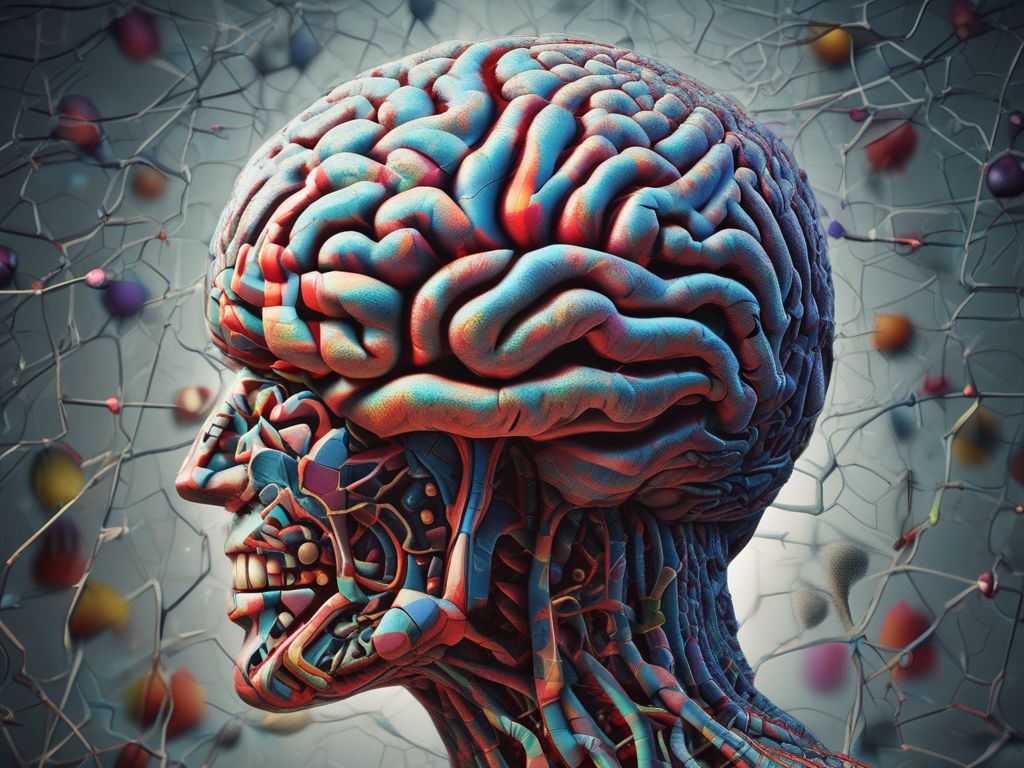
Our species developed in this environment. And with it our brains developed abilities to bond with others, to remember who other people were and to actively integrate with a very small number of individuals. Extremely small by modern day standards.
In the 1990’s British anthropologist Robin Dunbar, found a correlation between primate brain size and average social group size. His research and the subsequent theories developed a hypothesis that most humans could comfortably maintain around 150 relationships. This is often referred to as Dunbar’s Number. This number also appears to align with the optimum group size operated by pre-historic tribes and settlements and even correlates to the sizes of operating military units in Roman times and the present day.
In more recent times (and by more recent we mean in the last couple of thousand years), the complexity of our societies has shifted. Towns and cities have been creating environments where thousands and then millions of people of lived and worked shoulder to shoulder, face to face. Humans do not have the skills or mental capabilities to successfully socialise with that many people – leading to the loneliness of crowds, the introversion of the city-dweller, the vacant stare of the commuter.
Into the twenty-first century and technology breaks down all geographic barriers – allowing a human to communicate with billions of others. The successful technologies use nuanced restricting mechanics, developed to deliver a dopamine hit in place of the pleasure of building fulfilling stable relationships. The applications we have developed encourage a type of interaction which is far removed from a social interaction – it’s based on the presentation of managed output to display a version ourselves in the hope of a response from as many others as possible.
The irony of these developments being frequently referred to as “social media” is not lost on us. A number of individuals (Tina Sharkey, Ted Leonsis, Darrell Berry, et al) are arguing that they coined the term – with some rather strange ego-driven confused misapprehension that it is something to be proud of. To include the word social with reference to addictive applications which not only pull people away from social interaction, it holds people back in developing skills to socially interact, is some stretch.
The applications themselves can be useful. They are tools in our hands that can provide tremendous benefits – to share art, develop skills, impart information. We should try and reflect on what they are. We should also ensure that we have time away from them – so that we can really be social.






 Optima Vita
Leave a comment